Anglo Concertina
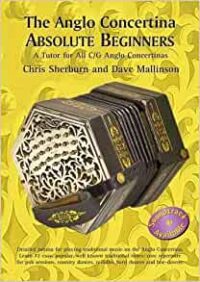
Anglo Concertina The Anglo is commonly used for dance-music, particularly Morris, and Irish music. It’s also used to accompany songs, shanties etc. Each button produces a different note on the push and draw of the bellows (so there are TWO notes per button). The high notes are on the right-hand end, the low on the left. So you can play the tune with the right hand, and vamp chords with the left.
The concertina was invented by Charles Wheatstone, and the earliest examples, which he called the symphonium, were made in 1829. Its huge popularity in the 19th century was diminished by the arrival of the piano accordion in the 20th. The folk revival has see the concertina back in demand, There are three quite different fingering systems in common use: Anglo concertina, The English, and Duet.
Anglo System This system gives a much punchier, dance-type sound. C/G is the standard tuning found in all the books, and is popular in Ireland where the key of D is played across the rows. Listen to Noel Hill who plays this style. Bb/F is common in older instruments and is good for brass band work. G/D is rare in old instruments, but very popular nowadays especially with Morris musicians for its useful keys, and because of the deeper tone. Well known Anglo players include William Kimber, Scan Tester, and John Kirkpatrick.
Showing the single result