
Description
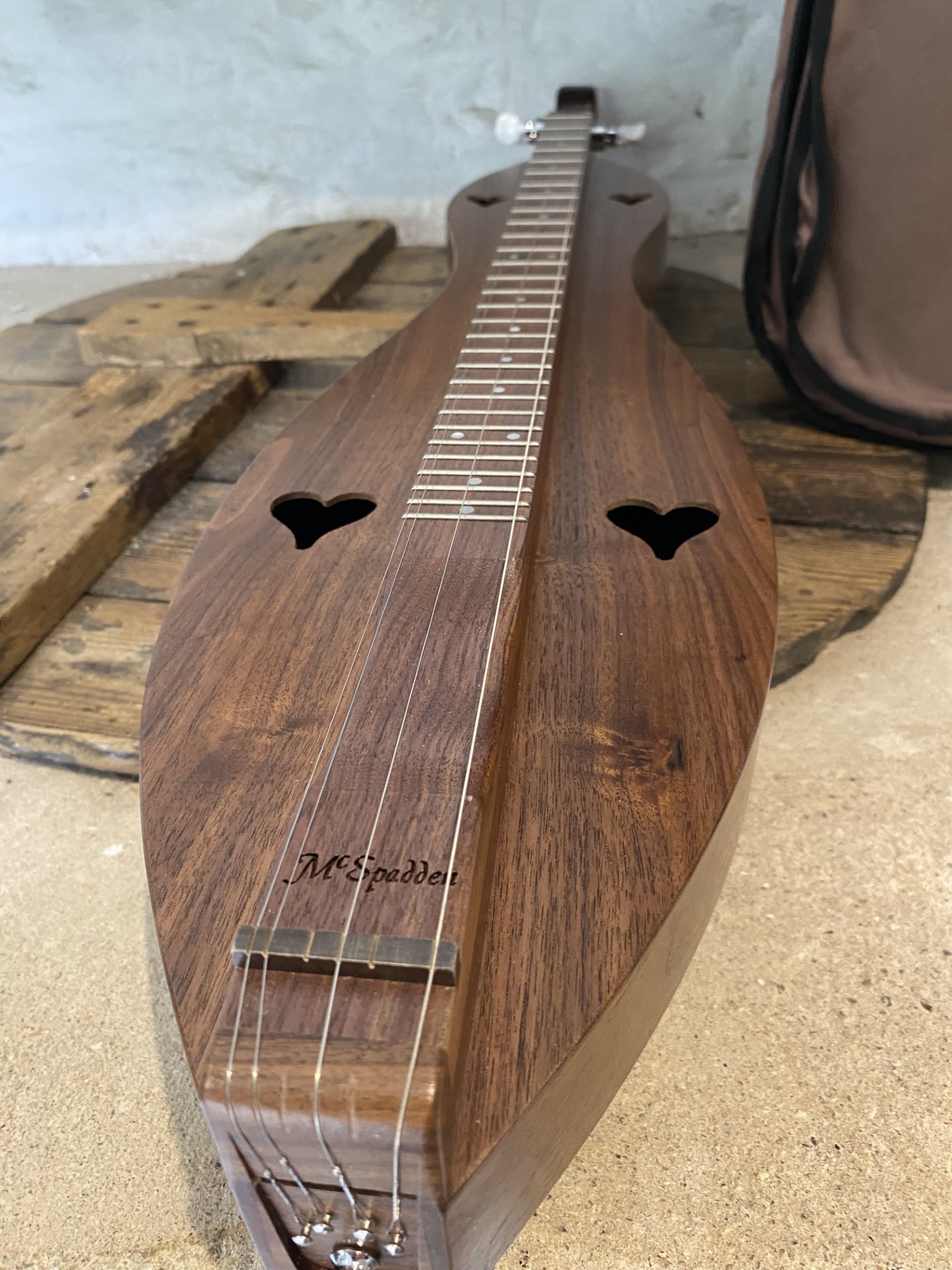
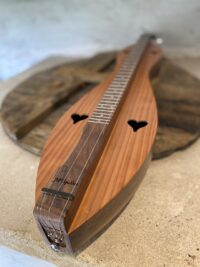
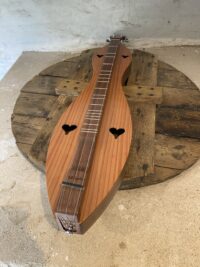
McSpadden 4SHWW-C Chromatic Mountain Dulcimer
McSpadden 4SHWW-C Chromatic Mountain Dulcimer.
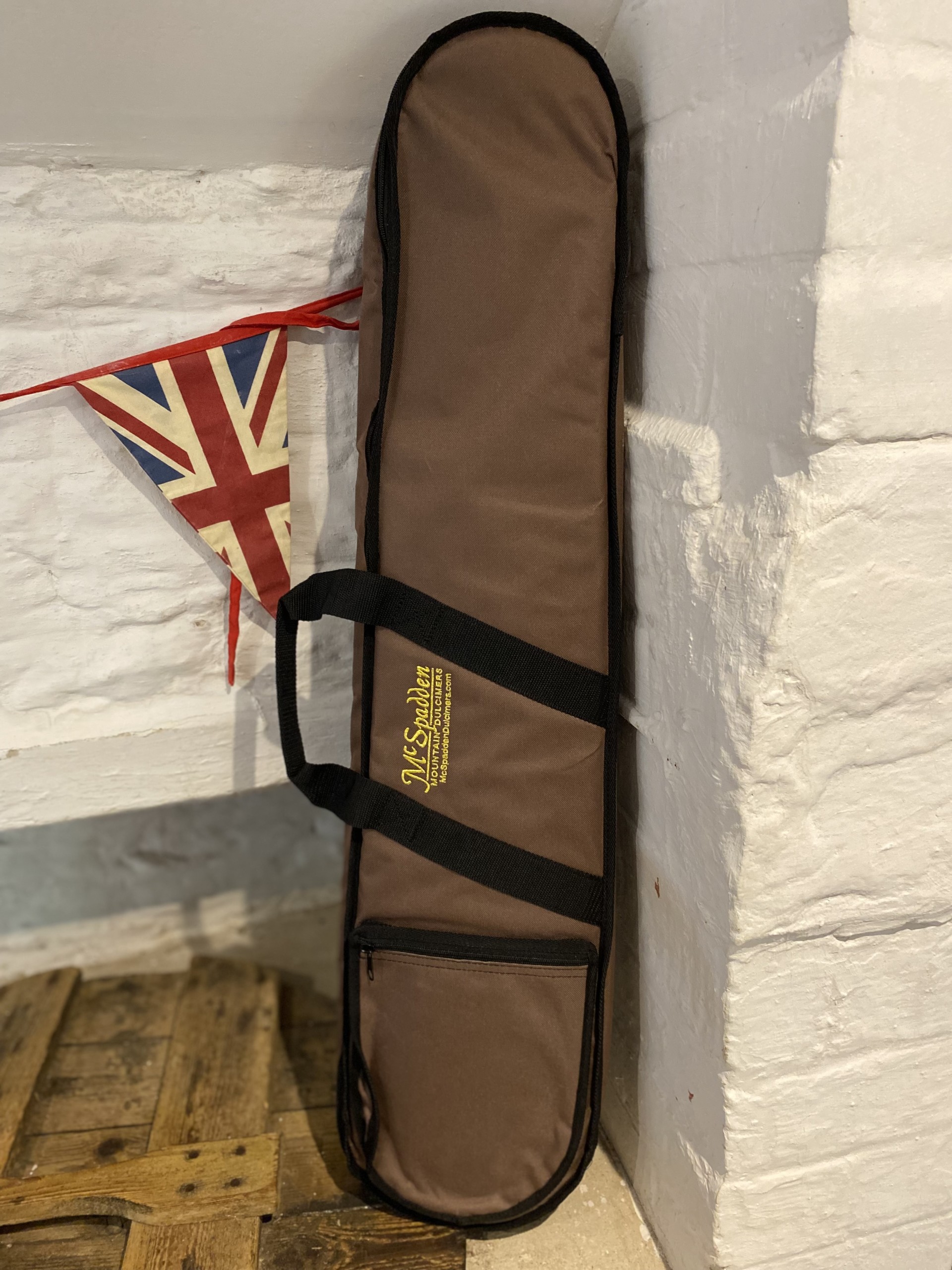
This beautiful chromatic mountain dulcimer is hand built in Arkansas USA by master builders, and comes complete with a McSpadden carrying case and free UK mainland delivery.
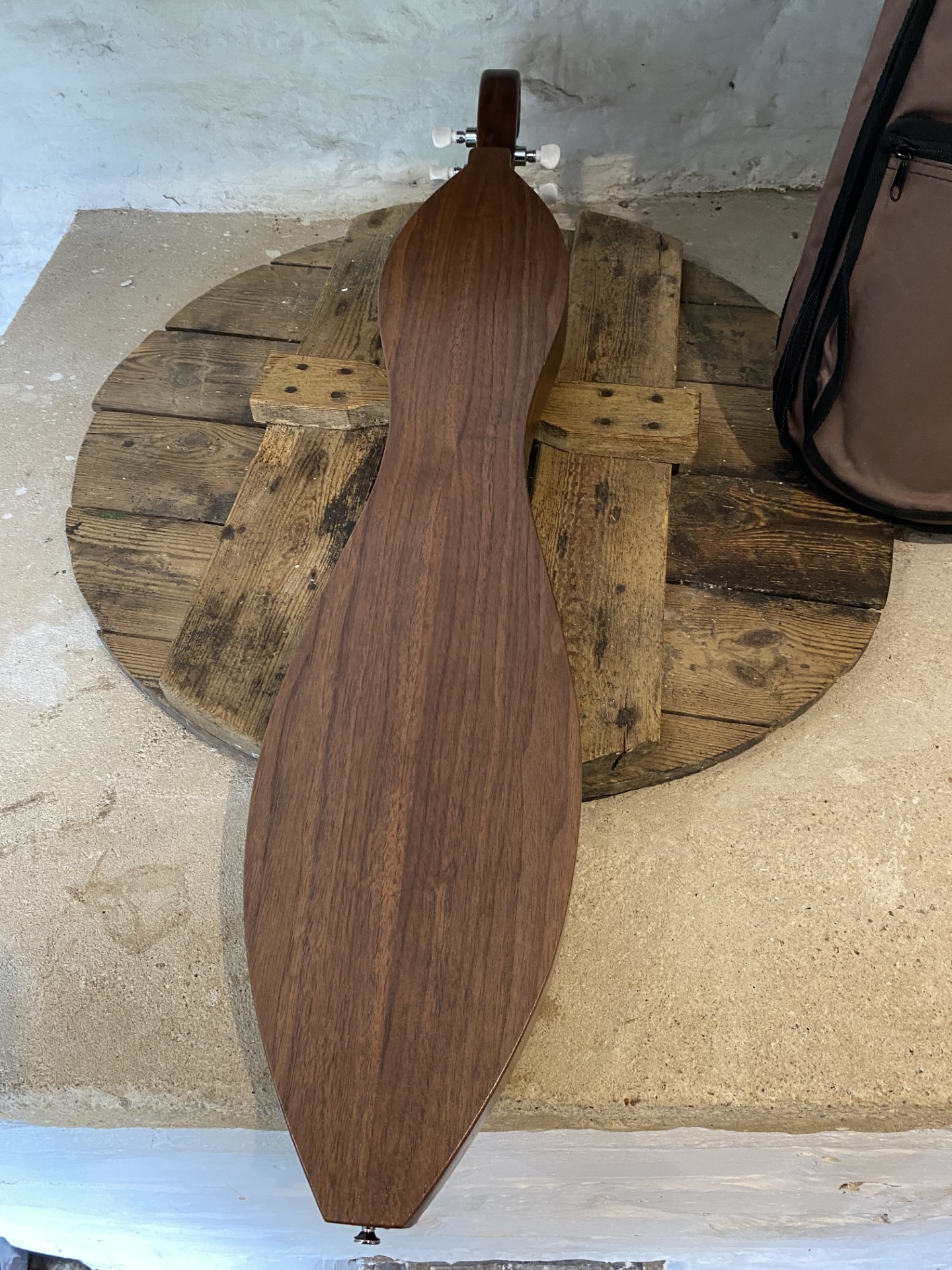
Made with Solid Walnut back sides and top this is a really wonderful instrument.
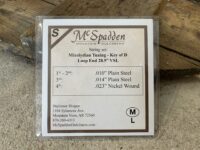
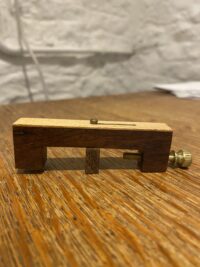
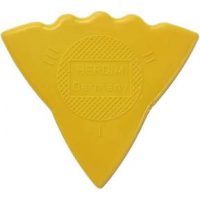
Includes lifetime warranty, strap buttons to match pegheads, padded nylon case, beginner book, pick, noter, and leather tie.
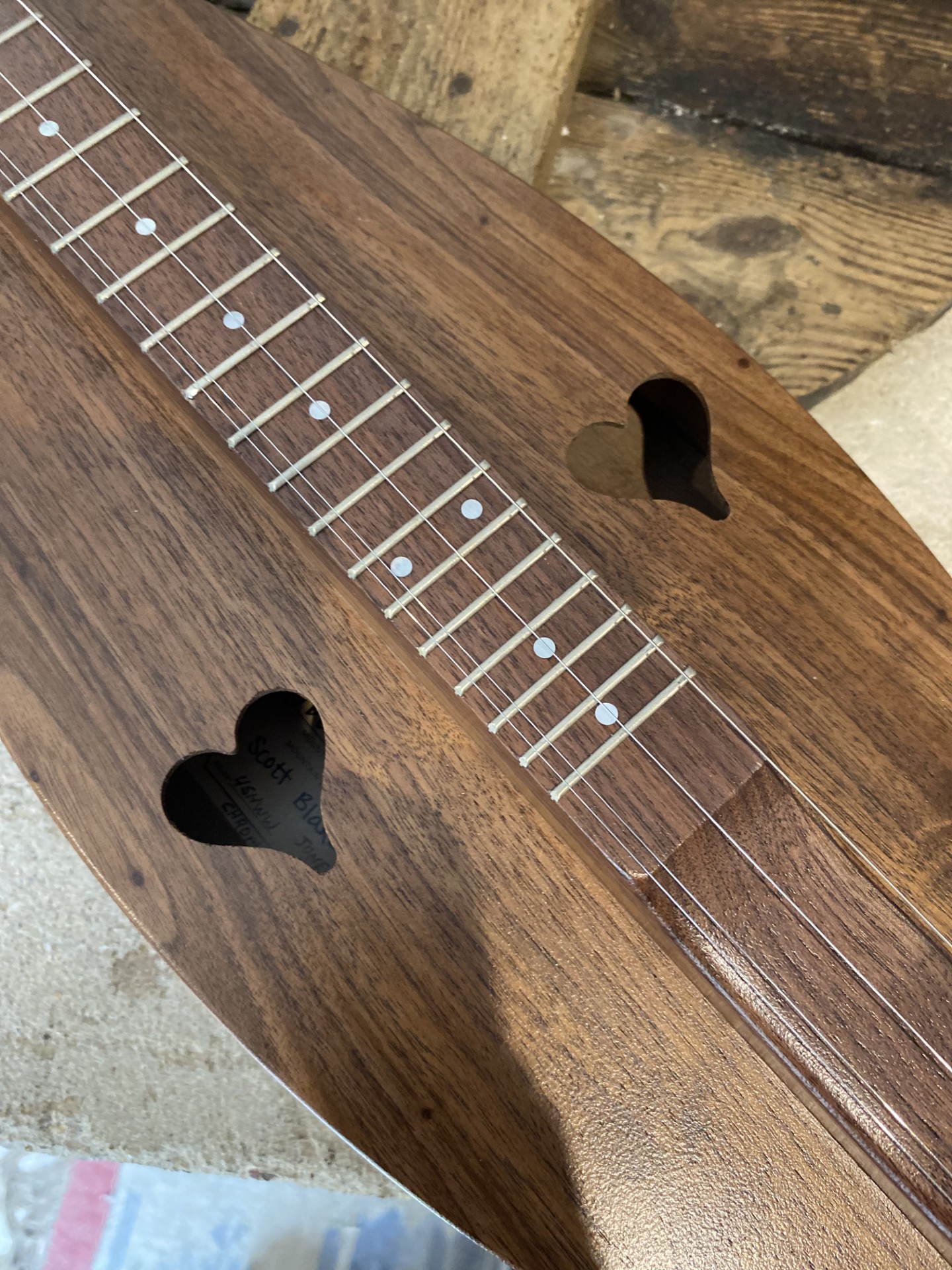
This McSpadden standard dulcimer has a 28 1/2″ vibrating string length with a fully chromatic fretboard.
The dulcet tones and harmonious drones of the Appalachian dulcimer have been an important part of American music for over three hundred years. It is classified as an diatonically fretted “zither” – a “zither” being an instrument with strings stretched across a box from end to end and having no neck as do guitars and violins. Autoharps and hammered dulcimers are also zithers. “Diatonic” means that the instrument plays the eight tones of the major scale: do, re, mi, fa, so, la, ti, do like the white keys of the piano. Though it does not contain all the “chromatic” notes of the twelve tone scale found on pianos and guitars, it can be tuned to harmonize with nearly all Western folk music.
The earliest depiction of this type of instrument is found in a fresco from 1560 in the Church of Rynkeby on the Danish island of Fyn. An angel musician is seen plucking the strings of straight sided zither with her fingers. This beam like form spread throughout northern Europe and it is the Germanic variant called a “Scheitholt” that arrived in America probably in the early eighteenth century. These instruments have two sets of strings – one set to play the melody and the other to provide a continuous drone like a bagpipe. They generally had from eight to ten strings and were either plucked or played with a bow. This type of instrument was common over much of Europe with the exception of the British Isles.
The Appalachian dulcimer was forged in the melting pot of the wagon roads and river routes of the frontier. The Scots and Irish settlers could hear the drone of the pipes in this sturdy and easily constructed zither and the English found it to be an appropriate accompaniment to their ballads and laments. They reduced the number of strings to just three or four, as wire was a precious commodity in the wilderness, and added a raised fingerboard to allow the playing of quick jigs and reels with a plectrum. By reducing the strings the instrument became more adaptable to more types of music within this theater. Unlike other instruments that have a distinct evolution to their present form, the dulcimer is still being reinvented all the time. The shapes and sounds vary widely throughout the region.
The Shenandoah Valley has a tradition of teardrop or boat shaped dulcimers played with a turkey quill for a pick. Kentucky is known for its delicate hourglass shaped three string instrument, and Tennessee is home to a large rectangular dulcimer that was known as a “music box”. West Virginia, with its early German settlers and isolated regions has the most widely variegated traditions. There is also much cross-pollination, with North Carolina dulcimers sharing distinct West Virginia shapes and fretting ideas.
Most of the dulcimers of hundreds years ago were made of poplar which was readily available, easy to work, and not subject to warping with temperature and humidity extremes. Some few were made of walnut, cherry and maple. These woods have been most common in the twentieth century. Though there are a few examples of commercial makers in the late nineteenth century, for the most part dulcimers were made by individuals supplying their families and close neighbors. The settlement schools and folk revivals of the 1930s and 40s kept the dulcimer visible until Jean Ritchie left Viper, Kentucky in the fifties and brought the dulcimer to the world stage with her music and literature. Since the sixties, the Appalachian dulcimer has staked a claim in the American orchestra of rock, pop, jazz, country, blues and classical and is now more popular than ever. Its sweet voice will be heard for centuries to come because it’s the sound of the ground we walk on.




Jack Underwood –
These dulcimers are as good as they get. Superior quality throughout. Setup to perfection and delivered very quickly.
I would highly recommend this company. Jack Underwood